
Our Team
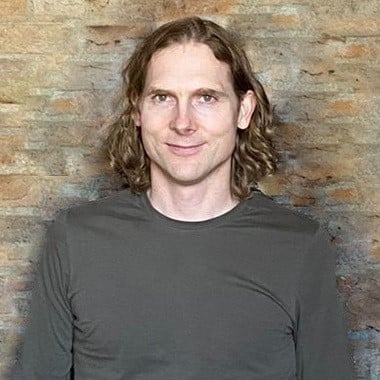
Henry J. Whitfield PhD Candidate
Henry Whitfield is an Association of Contextual Behavioural Science (ACBS) Peer-reviewed Acceptance and Commitment Therapy trainer, an Accredited Advanced TIR (PTSD therapy) Trainer and Cognitive Behavioural Psychotherapist (MSc – CBT) He is now in the final stages of a PhD in psychedelic-assisted Acceptance and Commitment therapy, looking at interactions between psilocybin experiences and therapeutic processes during and after psilocybin. His research was among the first to capture cumulative effects of therapy and psilocybin.
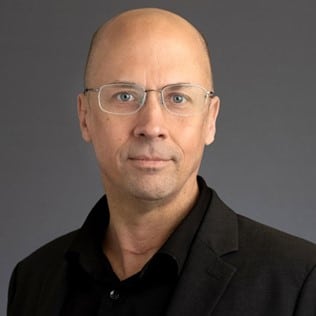
Dr Robert Krause
Robert Krause, DNP APRN-BC is a doctor of nursing practice and is a clinical specialist in psychiatric and mental health nursing. He is currently Visiting Faculty at The Graduate Institute where he is teaching a course in Mind-Body Medicine. For twenty years Robert was a Lecturer in Psychiatry at Yale University in the schools of Nursing and Medicine.
He has lectured in philosophy at Quinnipiac University and at Western Connecticut State University. Robert has certifications in Global Mental Health: Trauma and Recovery from Harvard University, in Psychedelic-Assisted Psychotherapies and Research from the California Institute of Integral Studies (CIIS) and in Sex therapy also from the CIIS. He was a faculty advisor to the Yale Psychedelic Research Group and is currently the lead therapist and co-author of the treatment manual for the Psilocybin – Induced Neuroplasticity in the Treatment of Major Depressive Disorder at the Yale School of Medicine. He is also a co-author of the recently published ‘Psilocybin-assisted therapy of major depressive disorder using Acceptance and Commitment Therapy as a therapeutic frame’ Journal of Contextual Behavioral Science 15 (2020): 12-19.
Robert’s daily practices include yoga, meditation and tantra. He completed yoga instructor training with Aum Pradesh Guar in Goa, India and was certified in tantra instruction through the Urban Tantra Professional Training Program. He has been practicing zazen meditation for 30 years.
Currently Robert maintains a private integrative psychotherapy practice in New Haven, Connecticut.
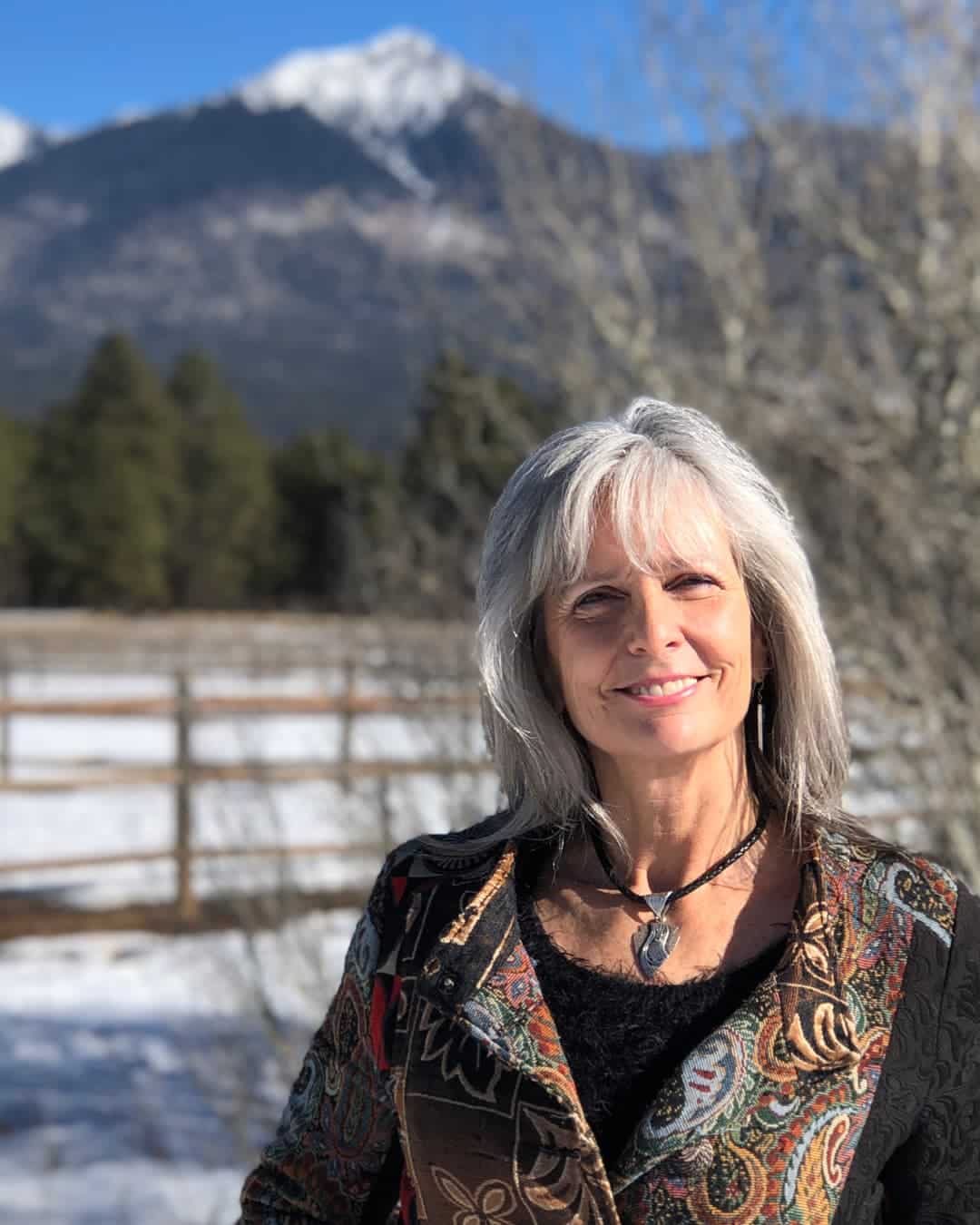
Kate Hawke
Kate Hawke has worked with expanded states of consciousness for fifty-five years, and has helped other people work with them for thirty-five. Her own path began with self-hypnosis and spontaneous out-of-body experiences, then psychedelics starting in 1971. She and Rick Doblin became friends when they were both twenty, and she has been a MAPS member since the 1980s.
In the 1990s Kate became the first Certified Trauma Specialist in the Southwest, long before “trauma-informed” was common language. Beyond her academic training in cognitive therapy, she has focused on the conditions that get to the root of trauma and allow it to release, while harvesting the lessons we have earned. Her psychedelic education includes all of the MAPS conferences since 2011, the MDMA facilitator retreat. and Colorado Natural Medicine Facilitator requirements.
Over the years, Kate has trained thousands of clinicians, provided psychedelic support services at Burning Man and other festivals since 2003, and worked with ketamine-assisted psychotherapy since 2019. She also supported her mother through six years of dementia and accompanied her father through a peaceful death in his nineties. End of Life Care is her main focus while working on eight New Mexico Medical Psilocybin regulatory development committees. She is now completing research on death, dying, and expanded states, built on interviews with forty of the field’s pioneers.
Kate and Henry met through our shared interest in combining effective therapeutic methodologies with psychedelics for transformation that lasts. What she brings to a retreat is a unique contribution to preparation, steadiness in ceremony no matter what comes up, and support for integration that turns a remarkable week into a changed life.
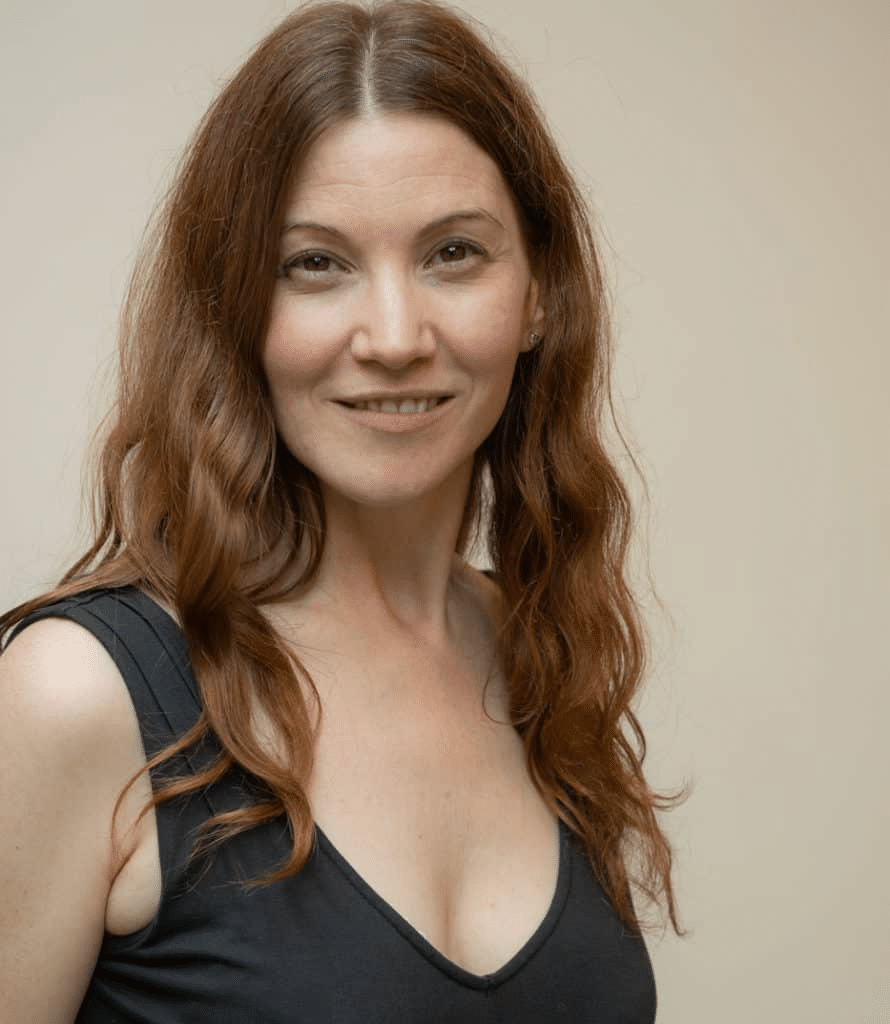
Margo Fisher PhD
Margo has a depth of experience as a psychedelic guide. A particular area of expertise is early childhood trauma, holding a safe space as clients connect with their young selves. She has guided on psilocybin clinical trials at the Centre for Psychedelic Research at Imperial College, currently guiding on a trial relating to addiction. She is also a psychotherapeutic counsellor, adept at helping clients integrate their psychedelic experiences. It brings her joy to facilitate individual and group spaces that offer the opportunity to heal, integrate and expand. Margo has built a friendship with unknowing, embodiment, vulnerability, wholeness and reverence over time; these have helped her to be and stay present.
Previously a qualitative researcher focused on human rights in the global South, she now uses her research skills to capture the lived experiences of those participating in psychedelic clinical trials. Margo lives on a farm with her partner in south west England, is a mother of an adult daughter and is gently becoming an elder.
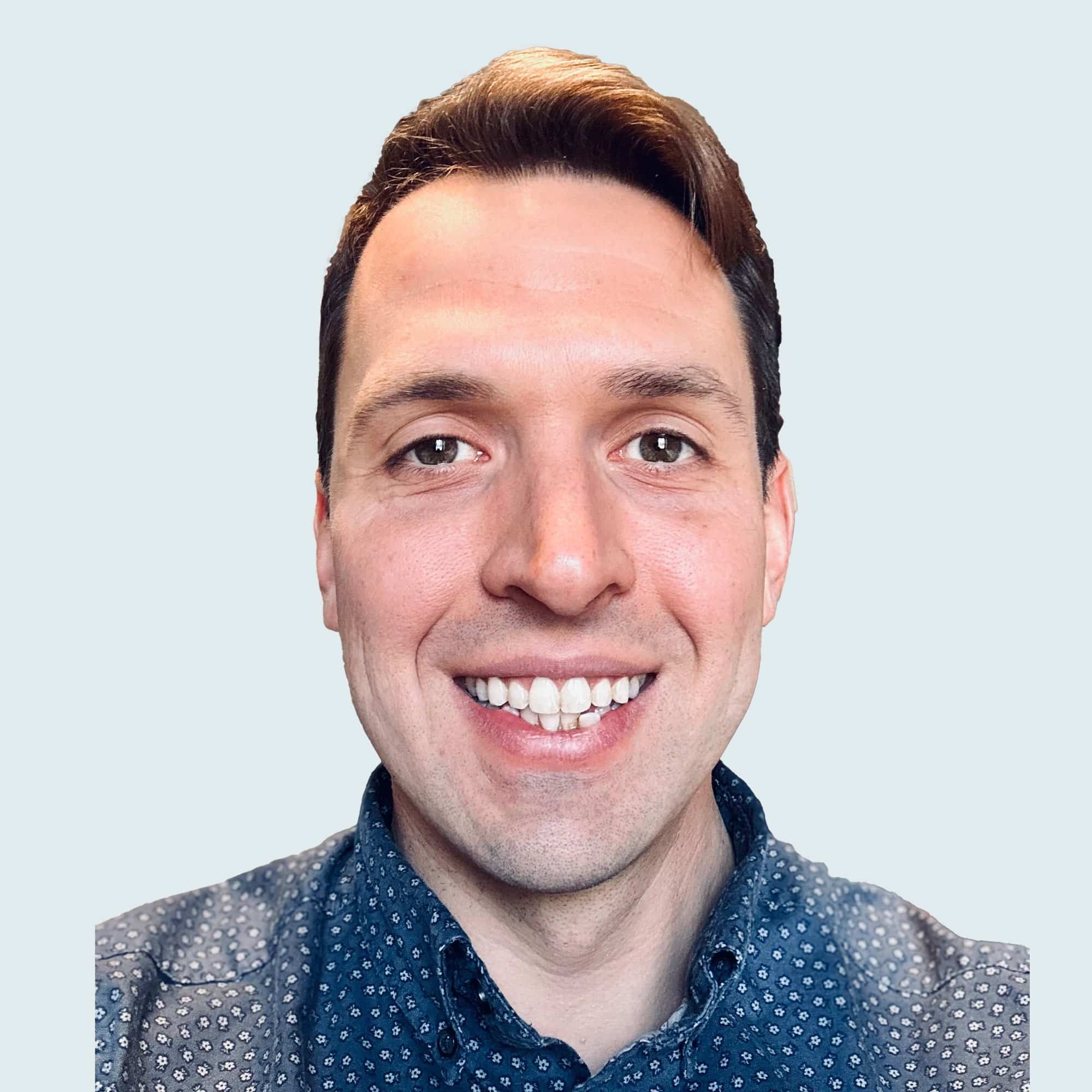
Dr. Mark Landreneau
Mark Landreneau received his MD from Columbia University College of Physician and Surgeons and subsequently completed a neurology residency and neurocritical care fellowship at Yale-New Haven Hospital. He has worked as faculty in the department of neurology at Yale University and now maintains a practice at Centered focusing on neuropsychiatric disorders in addition to his neurohospitalist practice at Yale.
He has significant experience and skill treating life threatening injuries of the nervous system including brain injuries that cause disorders of consciousness. He has written multiple articles and book chapters on severe strokes, brain death, and novel treatments for brain and spinal injuries. Over time he developed a particular interest in mood disorders related to neurological illness as well as mood disorders more generally, particularly in the context of neuroplastogens and psychedelics.
He brings a background using multimodal monitoring in the ICU–integrating noninvasive and invasive monitoring such as EEG, advanced neuroimaging, and novel neurophysiological monitors. Using insights from recent clinical trials and basic science studies on psychedelics, he has a deep interest in integrating the neurophysiology of psychedelics with psychotherapy in order to maximize treatment effects from this powerful class of medications.
At the moment, his focus is on ketamine assisted therapy, learning and integrating cutting edge developments in the field into his practice. His approach is informed by an emerging neuroscientific model of circuits and networks, viewing this as inseparable from subjective experience, where humanistic traditions have studied the mind for thousands of years.